Faisal Hourani
February 17, 2026 · 7 min read
The New Operating System
Something happened this week that I want to write down while it's still fresh.
I needed to build an SEO strategy for one of my sites. Normally this means opening an SEO platform, running keyword research, exporting CSVs, pasting data into spreadsheets, cross-referencing difficulty scores, checking SERPs manually, and then trying to make sense of it all. A few days of work if you're being thorough. Most people either skip the thoroughness or hire someone.
Instead, I opened Claude Code and said: "Do keyword research for this website." I gave it the business context — what we do, who we serve, what we're trying to rank for. It came back with a plan: which seed keywords to explore, which API endpoints to hit, what filters to apply. I pushed back on a few things, told it to dig deeper on one cluster, and let it run.
It called the DataForSEO API directly. Pulled about 700 raw keywords across three batches. Filtered out the noise. Pulled keyword difficulty scores for the relevant ones. Scored everything using a formula that weighs volume, difficulty, CPC, and search intent. Then it validated the top 20 by checking what's actually ranking — Reddit threads, vendor marketing pages, thin content. It found the gaps.
The whole thing took one conversation. Not one day. One conversation.
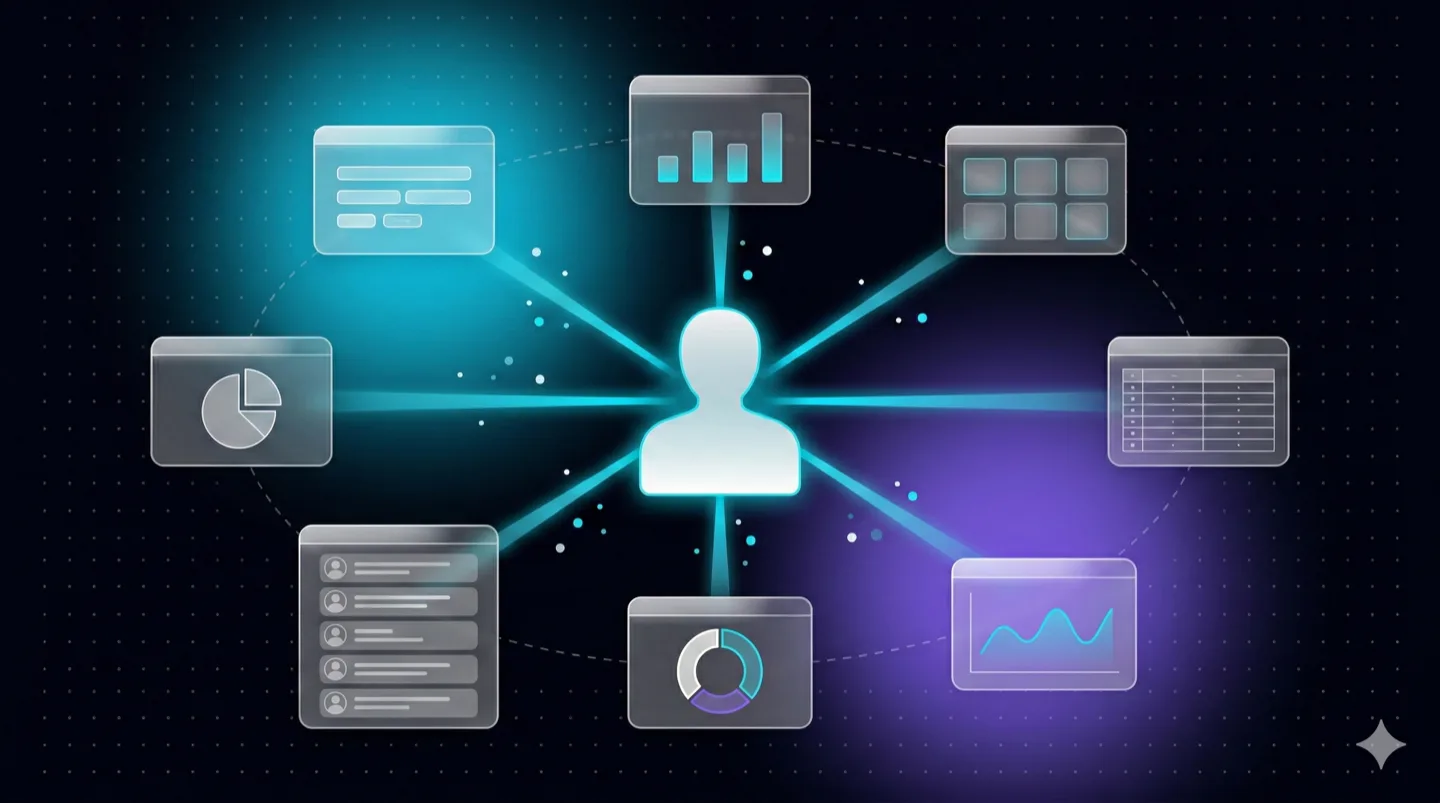
That's when I realised what had shifted. I'd been thinking about AI as something that automates tasks — runs the keyword export faster, formats the spreadsheet for me. What actually happened was different. It didn't just do the mechanical part. It did the thinking part. Midway through the research, it flagged that the entire keyword strategy was wrong for my site's positioning. The keywords were strong but they'd attract the wrong audience. It recommended transferring that research to a different property and rebuilding the strategy from scratch around what the site actually is.
I wouldn't have caught that for weeks. Maybe months. I'd have published 10 articles targeting the wrong people before realising the content didn't match the brand.
That's not automation. That's a collaborator.
The part that changed how I think about this is what happened next.
I told it to rebuild the strategy. It generated new seed keywords aligned with the actual mission, expanded them through the API, pulled difficulty scores, clustered them, ran SERP validation, and produced a complete 6-month content calendar with pillar pages, essay briefs, publishing dates, and internal linking architecture.
Then I said: "Review the whole plan against the site's positioning and tell me what's wrong." It found 12 issues — missing email capture, wrong directories in the submission list, a voice mismatch between the planned content and the existing blog posts, timeline problems with high-difficulty keywords scheduled too early. Real issues I would have discovered one at a time over the next several months.
I fixed all 12 in one session.
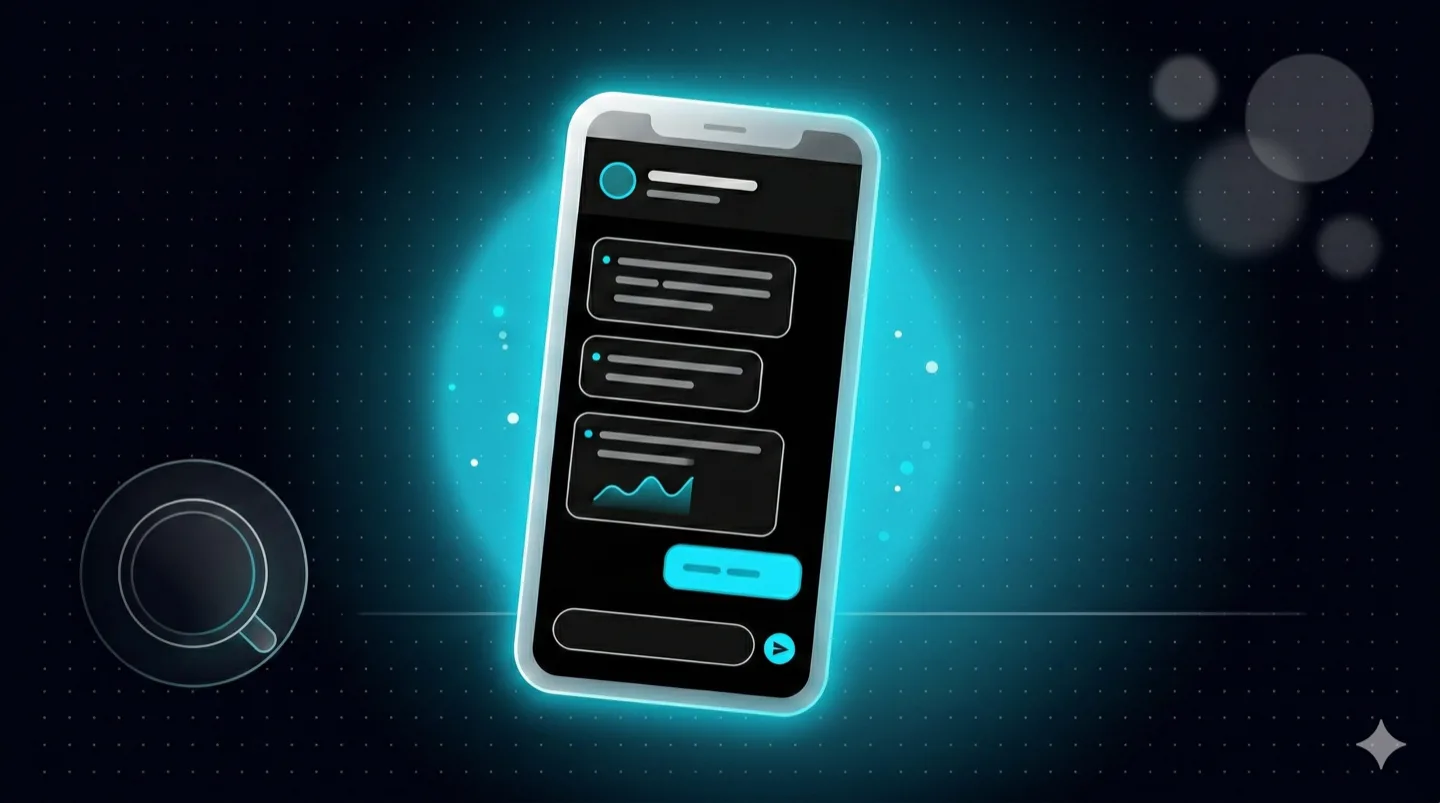
What used to be a multi-week process across multiple tools — SEO platform, spreadsheet, SERP checker, content planner, editorial calendar — happened in one place, in one conversation, with an agent that held the full context the entire time. It knew the business, knew the keyword data, knew the site architecture, and could reason across all of it simultaneously.
No tabs. No copy-paste between tools. No "let me export this and check it against that." The agent was the glue.
I've been running my businesses the old way for nine years. Open app, click buttons, fill forms, export, paste, analyse. You're the connective tissue between every tool. You hold the context in your head. You make the decisions. The tools do the mechanical parts. You do everything else.
The problem is that you're the bottleneck in your own system. Every decision waits for you. Every connection between tools goes through you. Your context is limited by what you can remember and how many tabs you can keep open.
What I experienced this week was different. The agent held more context than I could. It connected more tools than I would have. It caught things I would have missed. And it did it in the time it took me to have a conversation.
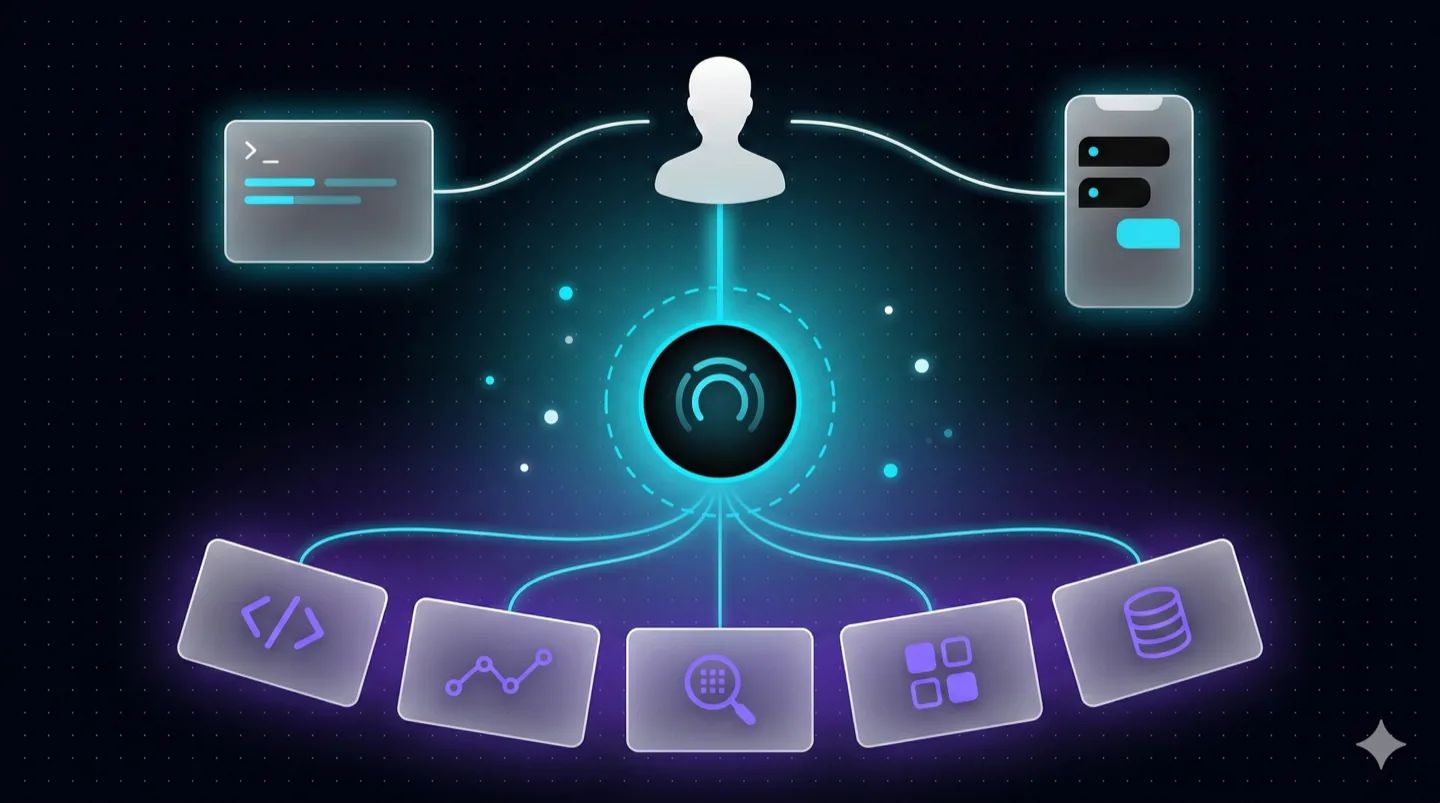
I'm building every venture in the studio this way now. TaskForce — meant to consolidate ecommerce operations across Shopify, Shopee, Lazada, and TikTok Shop, replacing the manual copying between platforms. ConversionStudio — designed to scan customer conversations for ad angles and build landing pages, work that normally takes a marketing team a week. AlwaysOn — handles customer conversations on WhatsApp for service businesses, so nobody waits until morning for a reply. These are all projects I'm building and validating — not finished products yet.
Each one follows the same pattern: find a cluster of tasks where a human is currently the glue between systems, and build an agent that holds the context and does the coordination instead. Not a new app with new buttons. A new way of working with all the tools that already exist.
Whether all of these will work, I genuinely don't know. But the SEO strategy session — a complete keyword research, competitive analysis, content architecture, and editorial calendar built in one conversation — that felt like a threshold. Not because the technology is new, but because the experience of using it was fundamentally different from anything I've used in nine years of running businesses.
More to follow as it develops.
Faisal Hourani
Founder, SuperVentureStudio
I write about what I'm building and what I'm learning.
New ventures, systems that work, honest failures. No fluff — just real lessons from a builder's journey.
You're in. I'll send you updates worth reading.